What is Zoom Whitening
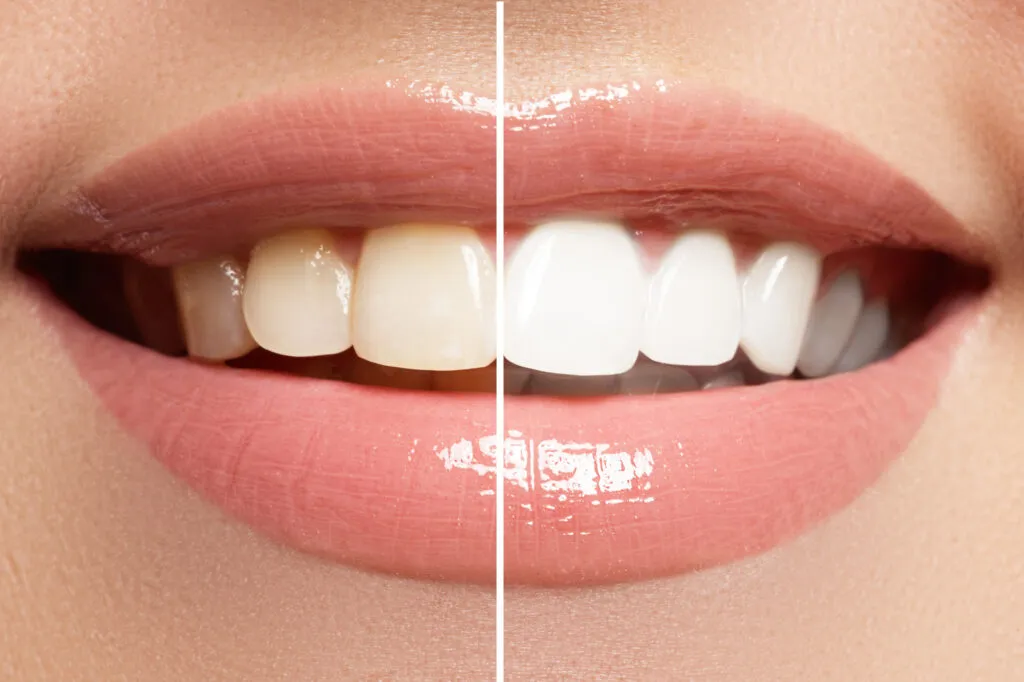
Zoom whitening is a popular and effective in-office teeth whitening procedure offered by dentists. This cosmetic dentistry treatment utilizes a powerful bleaching agent, typically a hydrogen peroxide gel, activated by a special blue light. The Zoom light accelerates the whitening process, allowing for significant results in a single appointment. Unlike over-the-counter whitening products, Zoom whitening is administered by a dental professional, ensuring both safety and optimal outcomes. The process is designed to remove stains and discoloration from the enamel, leaving patients with a noticeably brighter and more confident smile. It’s a quick and efficient way to achieve dramatic improvements in the appearance of your teeth.
The Zoom Whitening Process
Preparing for Your Zoom Whitening Appointment

Before undergoing Zoom whitening, a thorough dental examination and cleaning are essential. Your dentist will assess the health of your teeth and gums, ensuring that you are a suitable candidate for the procedure. This includes checking for cavities, gum disease, and existing dental work. The cleaning removes plaque and tartar, allowing the whitening agent to effectively penetrate the enamel. Your dentist will also discuss your expectations and explain the process in detail, addressing any questions or concerns you may have. It is important to be transparent about any sensitivities or allergies you may have. This preparation is crucial for a safe and successful whitening experience.
The Zoom Whitening Procedure
The Zoom whitening procedure typically takes about 60 to 90 minutes. First, your dentist will isolate your teeth, protecting your gums and lips with a protective barrier. The whitening gel is then applied to the surface of your teeth. The Zoom light is directed at your teeth, activating the gel and initiating the whitening process. This light exposure is repeated in intervals, usually three or four times, with each session lasting approximately 15 minutes. During the procedure, you may experience some mild tingling or sensitivity, but this is usually temporary. After the final light application, the gel is removed, and your teeth are rinsed, revealing a significantly brighter smile. The dentist may apply fluoride treatment at the end to reduce sensitivity.
What to Expect After Zoom Whitening
After your Zoom whitening treatment, you will notice an immediate improvement in the brightness of your teeth. However, it’s important to be aware of potential side effects and follow post-treatment instructions carefully. Sensitivity to hot and cold foods and drinks is common for a few days after the procedure. Your dentist may recommend using a desensitizing toothpaste to alleviate this discomfort. You should also avoid consuming highly pigmented foods and beverages, such as coffee, tea, red wine, and berries, as they can stain your teeth during the initial period. Regular check-ups with your dentist will help maintain the results and address any concerns.
Does Zoom Whitening Work

Yes, Zoom whitening is a very effective teeth whitening treatment. The results are usually significant, with teeth becoming several shades whiter in just one session. The degree of whitening varies depending on individual factors, such as the original shade of your teeth and the type of stains present. The Zoom light helps to accelerate the bleaching process, leading to faster and more dramatic results compared to some other whitening methods. Studies and patient testimonials consistently demonstrate the effectiveness of Zoom whitening in removing discoloration and enhancing the overall appearance of the smile. The vast majority of patients report high satisfaction with the outcome.
Factors Affecting Zoom Whitening Results
Several factors can influence the effectiveness and longevity of your Zoom whitening results. The initial shade of your teeth plays a role; individuals with naturally yellower teeth tend to see better results than those with gray or blue-gray staining. The type of stains also matters. Stains caused by aging, genetics, or certain medications may be more resistant to whitening. Lifestyle choices such as smoking and the consumption of staining foods and drinks can impact the duration of the results. Maintaining good oral hygiene and following your dentist’s instructions are crucial for prolonging the whitening effects. Regular dental check-ups and professional cleanings also contribute to maintaining a bright smile.
Comparing Zoom Whitening to Other Methods
Compared to other teeth whitening methods, Zoom whitening offers several advantages. Over-the-counter whitening products, such as strips and toothpastes, typically contain lower concentrations of bleaching agents and deliver slower results. Professional whitening treatments like Zoom are more potent and provide faster, more dramatic improvements. Custom-fitted whitening trays prescribed by a dentist are also an option, offering more gradual whitening over a period of weeks. Zoom whitening’s advantage lies in its speed and effectiveness, as it can deliver significant results in a single appointment. However, the cost of Zoom whitening is generally higher than that of at-home methods.
Maintaining Your Results and Oral Care

Post-Whitening Care Tips
To maintain your dazzling smile after Zoom whitening, following these care tips is essential. Avoid consuming foods and beverages that can stain your teeth, such as coffee, tea, red wine, and berries, for the first few days after the procedure. Use a whitening toothpaste to gently remove surface stains. Brush your teeth twice a day and floss daily to maintain optimal oral hygiene. Consider using a straw for beverages that may stain your teeth. Regular dental check-ups and professional cleanings are important for keeping your teeth clean and bright. Your dentist may also recommend touch-up treatments to maintain the results over time.
Best Practices for Oral Hygiene
Implementing these best practices for oral hygiene is crucial for preserving the results of your Zoom whitening. Brush your teeth for at least two minutes twice a day, using a soft-bristled toothbrush. Use fluoride toothpaste to strengthen your enamel and protect against decay. Floss daily to remove plaque and food particles from between your teeth and along the gumline. Use an antibacterial mouthwash to further reduce bacteria in your mouth. Regular dental check-ups and professional cleanings are essential for removing plaque and tartar, which can cause stains and discoloration. Maintaining excellent oral hygiene will not only preserve your bright smile but also improve your overall oral health.
Potential Risks and Side Effects

While Zoom whitening is generally a safe procedure, some potential risks and side effects should be considered. The most common side effect is temporary tooth sensitivity, which typically subsides within a few days. Some individuals may experience mild gum irritation. In rare cases, other side effects such as throat irritation or changes in the taste may occur. Before undergoing the procedure, your dentist will evaluate your oral health and discuss any potential risks. Following post-treatment instructions and using desensitizing toothpaste can help minimize any discomfort. It is important to communicate any concerns with your dentist.
Sensitivity and Discomfort
Tooth sensitivity is a common side effect following Zoom whitening, often due to the bleaching agent’s effect on the enamel. This sensitivity can manifest as a sharp, sudden pain when consuming hot or cold foods and beverages. Usually, this discomfort is temporary, lasting only a few days. Using a desensitizing toothpaste containing potassium nitrate can help reduce sensitivity. Avoiding extremely hot or cold foods and drinks during this time can also minimize discomfort. If the sensitivity persists or becomes severe, contact your dentist. They may recommend additional treatments to alleviate the issue.
Alternatives to Zoom Whitening
If Zoom whitening is not the right option for you, several alternatives are available. Over-the-counter whitening strips and toothpastes offer a more gradual approach to whitening. Custom-fitted whitening trays provided by your dentist allow for at-home whitening using a professional-strength bleaching gel. Dental veneers and bonding can also be used to cover stains and imperfections, providing a more permanent solution. The best option for you will depend on your specific needs, budget, and the extent of the discoloration. Your dentist can discuss the various alternatives and help you choose the most suitable treatment for your smile.
In conclusion, Zoom whitening is a highly effective way to achieve a dazzling smile. By understanding the process, the potential risks, and the necessary aftercare, you can make an informed decision and enjoy a brighter, more confident smile. Remember to consult with your dentist to determine if Zoom whitening is the right choice for you and to ensure the best possible outcome.